The Decline of Lululemon

By Eliza Brown, Staff Writer Edited by Maya Merante
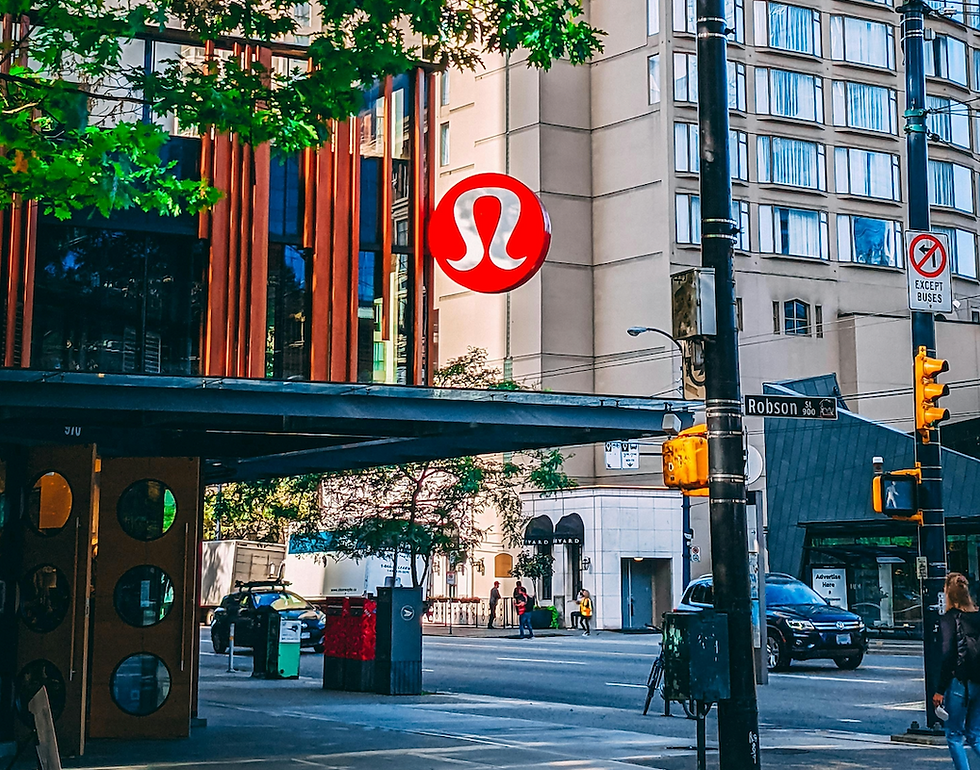
Once a thriving leader in the active-wear market, Lululemon is facing an apparent decrease in popularity. Brands such as Alo Yoga and Vuori are becoming household-names for luxury athleisure. Considering college campuses and looking around the classroom, the ‘Alo’ lettering is becoming more common than the Lululemon logo. Vuori is increasingly popular on social media, working with more than 12,000 college athletes—including LSU gymnast and influencer Livvy Dunne. As Lululemon, Vuori and Alo are all high-priced, high-end athleisure brands, what is causing Lululemon to fall behind? Will Lululemon be able to turn it around, or is this the beginning of the end for the once industry-dominant retailer?
Lululemon has consistently been known as the “go-to” store for cute and trendy workout apparel. The brand formed the idea of athletic gear as a status symbol, placing a higher focus on style rather than function. In the past, Lululemon easily outperformed competitors as consumers continued to choose the popular name-brand option. However, recent financial numbers reveal concerns for the future of the retailer. Lululemon recently reported its second quarter fiscal 2025 results, stating that they expect to have a two-percent to four-percent increase in revenue this year. This is a dramatic decrease from the first quarter report, which led the company to anticipate a five-percent to seven-percent increase in revenue. Overall, the retailer faces increasing concerns as Lululemon stock (LULU) decreases with an over 50% decline in shares over the past year to date.
Lululemon CEO, Calvin McDonald, addressed concerns regarding the reported financial numbers. He acknowledged that the brand has been unable to meet trends—something that its competitors have been successful at. Alo and Vuori have become trendsetters in the industry, while Lululemon fails to keep up. The market of athletic-wear has seen consistent growth, yet Lululemon continues to decline. When analyzing the market, it is increasingly apparent that Lululemon’s struggles are not a reflection of the industry as a whole.
One key issue has been lack of innovation regarding product assortment. To address this concern, Lululemon has had collaborations with universities in the United States, including Syracuse University. However, with a significant increase in price for a small logo, it can be argued that this has been an ineffective move. After all, consider the actual number of students wearing the Lululemon x Syracuse collab—this number is likely not as many as Lululemon had hoped. Amaya Tucker, a junior at Syracuse University, was disappointed in the apparel drop. “I just feel like compromises were made in the wrong places,” Tucker says, “More of the symbols should have been embroidered; the clothing pieces picked didn’t really reflect the current trends. For example, I would have loved to see a fold-over legging.” This student testimony is a glaring proof that Lululemon is missing the mark on trends, which could be costing them.
In addition to college collaborations, Lululemon recently announced an NFL collection. It is currently unclear whether this will help the brand. While the apparel is trendy, the prices are unappealing, considering that the NFL x Lululemon sweatshirts are more expensive than many NFL jerseys. Despite many cheaper options being available, will consumers be influenced to purchase the Lululemon apparel?
Lululemon also released merchandise last year through Fanatics, a launch that featured 11 NHL teams. However, last month they announced an expansion featuring all 32 NHL teams. Considering the expansion of this collaboration, it was clearly successful enough to warrant a collaboration with more teams and even the NFL. Fanatics reports high sales, and lists Lululemon in the top five brands for NHL sales.
Historically, Lululemon has been most popular with women and teenage girls, but within the past few years, men appear to be significant consumers. As sports such as football and hockey are typically associated with men, the NHL and NFL collaborations may demonstrate an increased expansion into menswear for Lululemon. Additionally, the collaboration might signal marketing for female engagement in the sports world.
Lululemon’s increased collaborations are a strategic move to differentiate their brand from their competitors. Alo collaborates with individuals such as Joe Burrow, Cincinnati Bengals Quarterback, to increase consumer interest without releasing new products. Vuori also utilizes athletic partnerships. While all three brands focus on athletic-wear, consumers are becoming increasingly interested in loungewear, a trend that Lululemon is failing to meet.
In an effort to turn things around, Lululemon has been focusing on hiring designers to rebrand. By spring 2026, the brand hopes to increase their assortment of new styles by 35%. Skeptics warn that the brand must be careful with their new products. Just because a product is new, doesn’t mean it will sell, and Lululemon must release products that align with trends of its target market. An effective next move for the brand would be reestablishing who their target consumers are, and catering their assortment to this population. Refocusing the brand is an important step to reviving Lululemon’s popularity.
Analysts are concerned that Lululemon has failed to attract its key customers as they attempt to include younger girls in their consumer base. In 2020, Lululemon shut-down their children’s apparel store, Ivivva. Yet, access to social media apps such as TikTok has increased for younger audiences, and they are interested in teenage trends. This has led to children gravitating towards stores catered to older women. Lululemon has unsuccessfully catered to multiple age-groups, leading to an increase in markdowns as they fail to sell apparel for younger shoppers.
Brands like Vuori and Alo have effectively met the minimalism trend, while Lululemon continues to release bright colors and gaudy patterns that are not currently in style. While Lululemon attempts to bring innovation to the brand, they will only be successful if they can predict trends and analyze their competitors.
© 2025 by FETCH COLLECTIVE


Comments