The Death of Minimalism and the Rebrand of Whimsy

Updated: Nov 3, 2025
By Sophie LeBlanc, Staff Writer Edited by Tessa Reiner
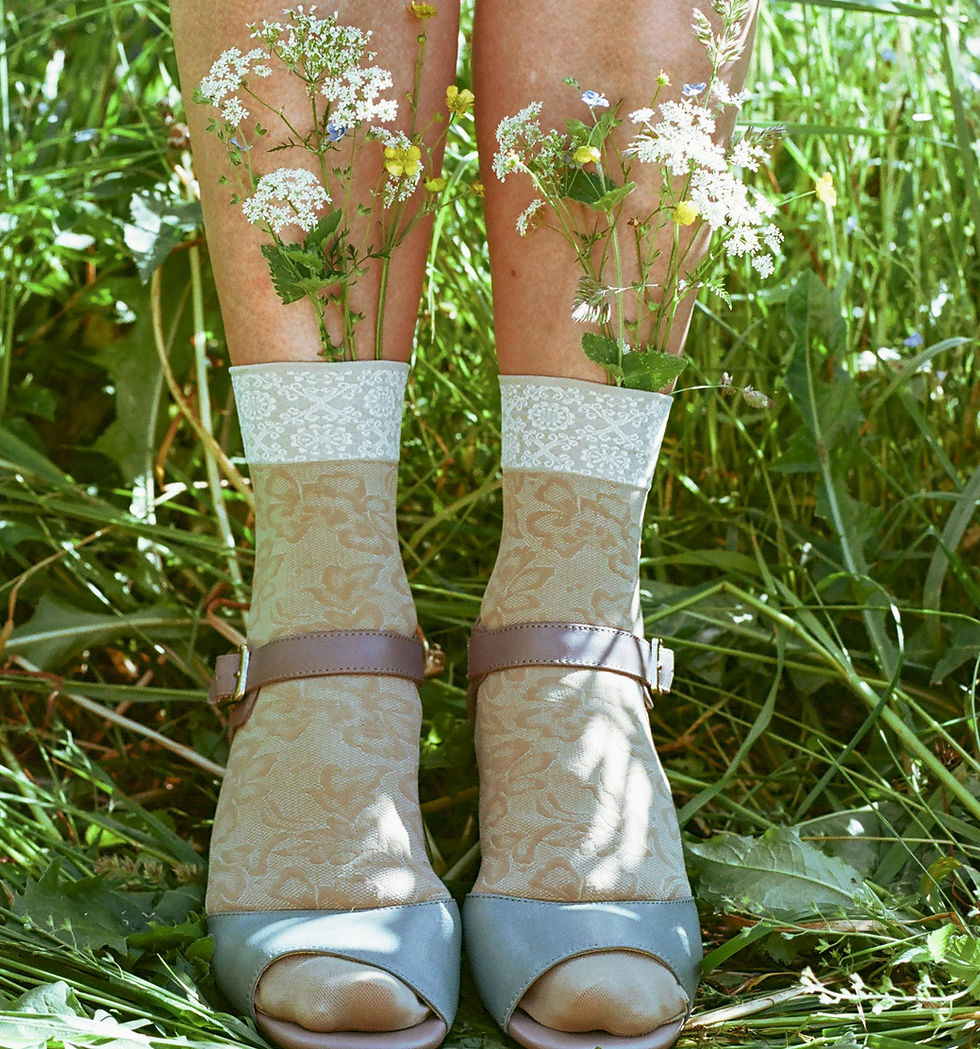
We all know a girl whose life is extraordinarily put together, and we are all in awe of her. She is well-maintained and disciplined. She wakes up at 8 am every morning, journals with a matcha latte, and promptly attends her yoga class before crushing her to-do list. She is defined by a quiet sense of control, which is evident in her routines, her mannerisms, and of course, her outfits. She flaunts matching Alo workout sets, Aritzia blazers, perfect slicked-back buns, and dainty gold earring stacks. Not a single element is out of place, nothing in disarray. She is the clean girl––the ultimate goal of the early 2020s––and she is dead.
This image of simplicity and productivity wasn’t always what defined an it girl. The late 90s and early 2000s glamourized imperfection and was defined by feminine maximalism. Sex and the City, a popular romantic drama set in NYC, became a cultural phenomenon, with columnist-turned-style-icon Carrie Bradshaw’s wardrobe emphasizing playful experimentation. Her most iconic look, a pink tank top with a voluminous, white tutu––which Harper's Bazaar coined, "The Tutu that Started It All"––captured the era's fearless approach to style. Fashion of this time period was fun, loud, and unapologetic. Y2K pop culture icons such as Britney Spears, Lindsay Lohan, and Paris Hilton popularized chaotic glamour, rocking bedazzled jeans, neon colors, and big sunglasses. This chaos, previously deemed unclassy, was now validated. Not caring about your look was “the look” people were after.
In contrast, the Clean Girl aesthetic, popularized by TikTok wellness influencers and Hailey Bieber, offered control in a time of uncertainty. During the pandemic, when daily routines dissolved and the future felt unstable, this aesthetic provided a calming sense of order we all wanted to maintain. Images of matcha lattes, white linen sheets, silk pajama sets, and lemon water flooded our feeds, promoting productivity in a time when many lacked it. However, this aesthetic was quickly revealed harmful, in that it imposed unrealistic expectations within a cultural environment where many were merely trying to get by. Clean girl core was wealth disguised as wellness: an aesthetic only accessible to those who could afford it. Eventually, as normal life returned, minimalism grew stale and so did the Clean Girl aesthetic. People became fatigued by the constant effort to improve and perfect their imperfect lives.
Currently, people, particularly youth, have begun to realize that partying, experimenting, and being a little messy is not something to demonize, and in our current society, we all need that sense of freedom. For many, that freedom is expressed through fashion, and trends are increasingly shifting away from minimalism and towards vibrant funkiness. In many recent presentations, neon garments from designers like Prada, Miu Miu, and Balenciaga have dominated runways, signaling a bold return to the maximalist, bold energy of the Y2K era.
At London Fashion Week 2025, designers from across the globe leaned into the idea of authentic girlhood: something we, as a collective, all need a little bit more of. Modern bubble hems, mixing patterns, and vibrant gowns dominated runways across the board. Simone Rocha's collection, specifically centered around nostalgia and the stages of girlhood, began with a flower organza skirt and a sequin bralette, aimed to capture “the uneasiness of your first school dance,” while she embodied mature, feminine confidence through a chartreuse dress and a silver sequin gown.
It isn’t just luxury designers who are spearheading this shift; music has played a massive role, too. In the summer of 2024, Charli XCX’s album brat became a cultural phenomenon, popularizing hyper-feminine maximalism and unapologetic hedonism. The defining trait of Charli XCX’s music is that it never centers around a man; instead, she champions self-expression and living loudly in one’s own terms. More recent artists are taking the same approach; breakout artist Addison Rae’s debut album features a list of energetic pop songs that highlight a life of glitter and partying, but never one that relies on a man to dictate emotions. Charli and Addison's styles are both defined by the ideal of embracing fun: neon colors, patterned skirts, messy hair, and people are catching on.
When it is approached as an art, fashion becomes a mode of expression rather than a routine. A bedazzled belt, colorful scarf, or gold arm cuff can turn a boring Monday into a celebration of identity. The clean girl aesthetic leaned into a corporate mindset—designed to blend seamlessly into the workplace. But the return of quirkiness resists that pressure to conform. It reminds us of how we dressed as children: vibrantly, carelessly, for no other reason than making us happy.
Minimalism served its purpose, but the future of fashion is maximalist, colorful, imperfect, and deeply human. The death of the Clean Girl has given rise to something freer and more joyful. Whimsy has been reborn—serving as a reminder to all women of how enlightening it feels to take up space.
© 2025 by FETCH COLLECTIVE


Comments